The Power of Medical Motion Design: Making Complex Ideas Simple
Discover how animation and visual storytelling transform complex medical information into clear, engaging, and easy-to-understand experiences.
- Author
- Basma Elmogy
- Date
INTRODUCTION
Medical information can often be complex and difficult to understand. Medical motion design bridges this gap by transforming scientific concepts into clear, engaging visual stories.
Through animation, visual effects, and thoughtful storytelling, complex medical procedures, anatomical structures, and health conditions become easier to understand.
WHY MEDICAL MOTION DESIGN MATTERS
Visual storytelling plays an important role in healthcare communication. It helps audiences understand information faster, improves engagement, and makes educational content more accessible.
By combining accurate medical references with creative animation, designers can simplify complicated topics without losing their scientific meaning.
FROM MEDICAL CONCEPT TO VISUAL STORY
Every successful medical animation starts with research and understanding.
The process involves:
- Research & Understanding: Studying the medical information and ensuring accuracy.
- Storyboarding: Turning the medical concept into a structured visual narrative.
- Visual Development: Creating illustrations, anatomical elements, and visual assets.
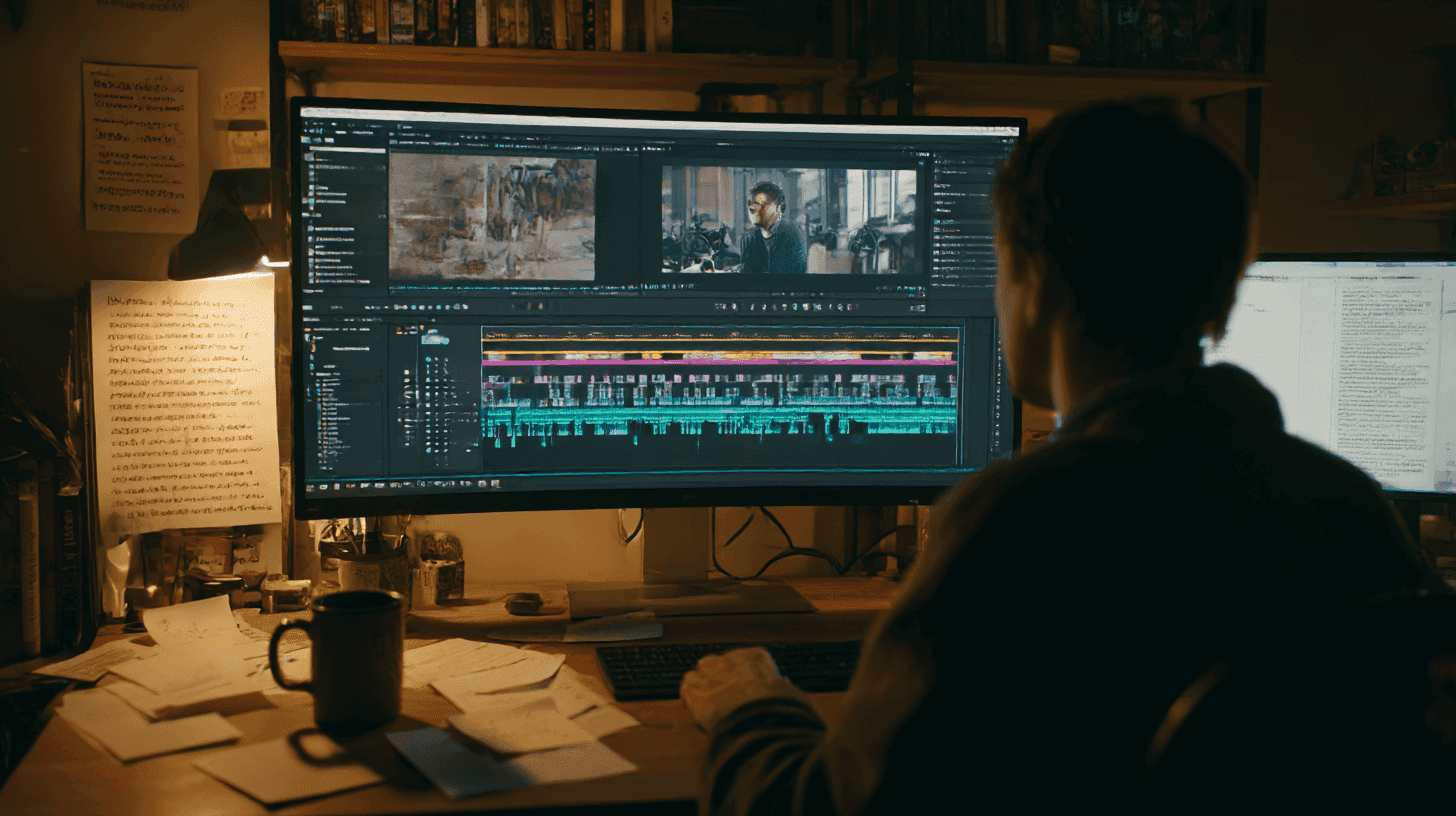
- Animation & Editing: Bringing every scene to life through motion, transitions, and sound design.
THE ROLE OF A MOTION DESIGNER
A medical motion designer does more than create attractive animations. The real challenge is finding the right visual language to communicate complex information clearly and effectively.
Every movement, transition, and visual element should serve a purpose: helping the viewer understand the story.
CONCLUSION
Medical motion design is where science meets creativity. It transforms information into experiences that educate, engage, and make a lasting impact.
Because sometimes, the best way to explain something is to show it in motion.